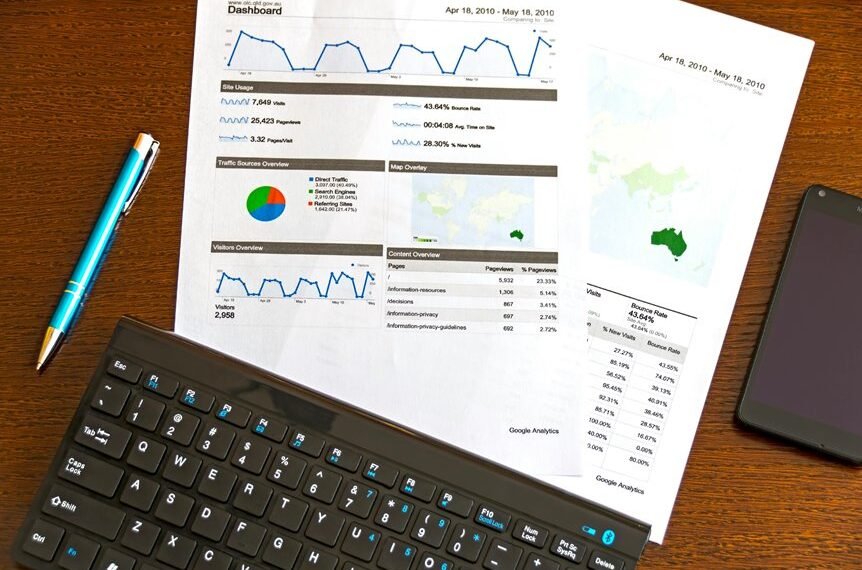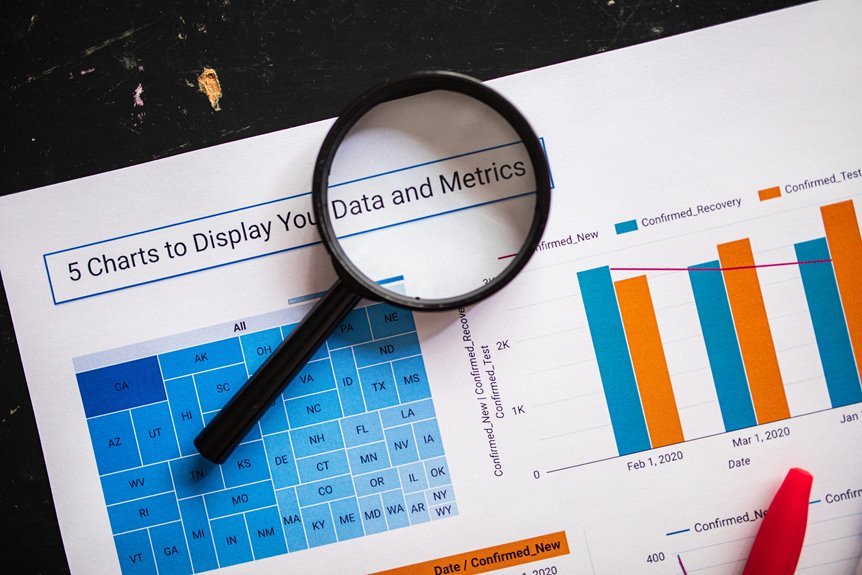
Strategic sector performance evaluation plays a vital role in understanding the dynamics of industries represented by identifiers such as 6944487206, 662993332, 345306361, 621270745, 210129647, and 633321703. By employing targeted performance metrics and data analytics, stakeholders can reveal critical insights into operational efficiencies. This evaluation not only aids in resource allocation but also prompts questions about future trends and potential areas for growth. What implications will these insights have for decision-making and policy formulation?
Overview of Strategic Sectors
Strategic sectors serve as the backbone of national economies, influencing both growth and stability.
Their economic impact is profound, as they drive innovation, create jobs, and attract investments.
Sector growth often reflects a nation’s adaptability to global trends and challenges, enabling resilience.
Understanding these dynamics is crucial for fostering sustainable development and ensuring that freedom thrives within competitive markets, benefiting society as a whole.
Performance Metrics and Analysis
A comprehensive evaluation of performance metrics is essential for understanding the effectiveness of various strategic sectors.
By employing relevant performance indicators, organizations can gauge operational efficiency and resource allocation.
Data visualization techniques further enhance this analysis, allowing stakeholders to interpret complex information intuitively.
Ultimately, a rigorous approach to performance metrics fosters transparency and informed decision-making, empowering sectors to adapt and thrive.
Identifying Trends and Insights
Identifying trends and insights from performance metrics enables organizations to anticipate shifts in the market and refine their strategies accordingly.
Through effective trend analysis, companies can uncover patterns that inform decision-making.
Insight generation from these analyses fosters adaptability, empowering organizations to seize emerging opportunities while mitigating potential risks.
Ultimately, leveraging data-driven insights promotes a proactive approach to navigating an ever-evolving landscape.
Recommendations for Policymakers and Stakeholders
While navigating the complexities of the modern economy, policymakers and stakeholders must prioritize data-driven approaches to enhance sector performance.
Effective policy frameworks should incorporate stakeholder engagement, fostering collaboration between public and private entities.
By leveraging comprehensive data analytics, decision-makers can identify inefficiencies and opportunities, ultimately driving innovation and resilience.
This strategic alignment will empower sectors to thrive in an increasingly competitive landscape.
Conclusion
In conclusion, the strategic sector performance evaluation reveals critical insights that are essential for navigating the complexities of today’s economic landscape. As stakeholders sift through data akin to a digital archaeologist unearthing forgotten treasures, they can leverage these findings to drive innovation and optimize resource allocation. Policymakers must heed these insights, fostering collaboration and sustainable growth, ensuring that industries represented by identifiers like 6944487206 and 662993332 can thrive in an ever-evolving market.